

Common Edge Banding Machine Problems and How to Solve Them
Nov 19, 2026
Leave a message
Common Edge Banding Machine Problems and How to Solve Them
Poor Edge Bonding, Excessive Glue Overflow, and Uneven Trimming: Causes and Solutions
An edge banding machine is an essential piece of equipment in modern furniture manufacturing. It is widely used for sealing the exposed edges of MDF, plywood, particleboard, and other wood-based panels with PVC, ABS, acrylic, or veneer edge banding materials.
A high-quality edge banding machine can significantly improve furniture appearance, production efficiency, and product durability. However, during daily operation, operators may encounter several common problems, such as poor edge bonding, excessive glue overflow, and uneven trimming.
These problems not only affect the appearance of finished furniture but may also increase material waste and production costs.
In this article, we will explain the common causes of these edge banding machine problems and provide practical solutions to help you achieve better edge banding results.
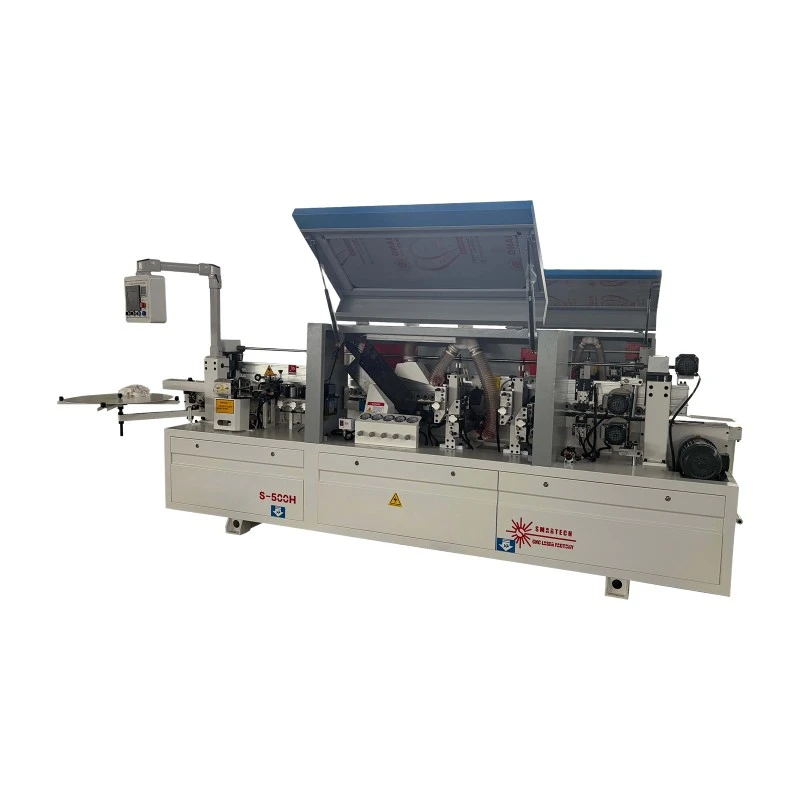
1. Poor Edge Bonding: Why Does the Edge Banding Come Off?
Poor edge bonding is one of the most common problems when operating an edge banding machine. It occurs when the edge banding tape does not adhere firmly to the panel, causing gaps, peeling, or separation after processing.
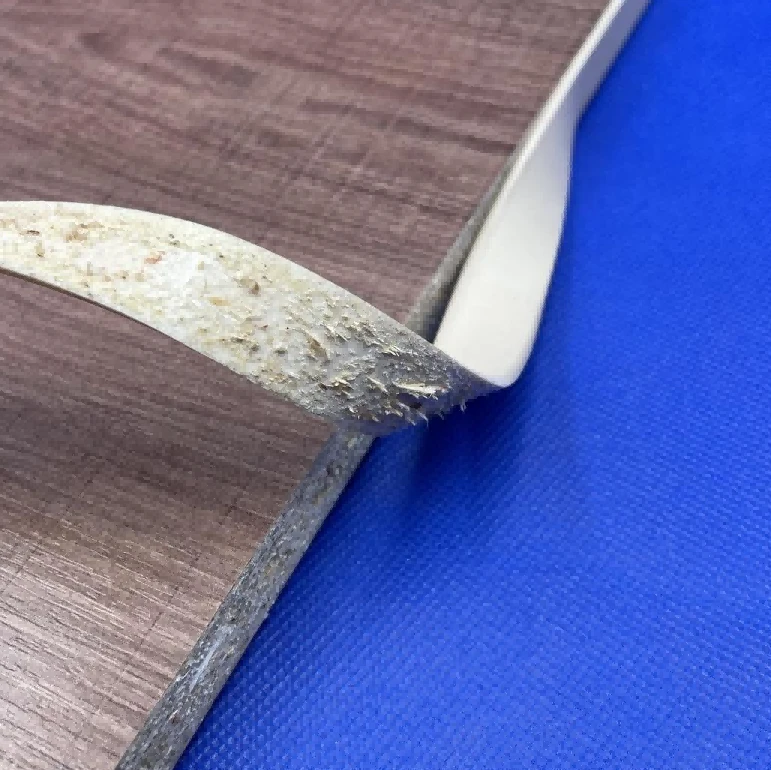
Common Causes
1. Incorrect Glue Temperature
The temperature of the hot melt adhesive directly affects bonding performance.
If the temperature is too low, the glue may not melt completely, resulting in insufficient adhesion.
If the temperature is too high, the adhesive may deteriorate or lose some of its bonding properties.
2. Insufficient Glue Application
If the glue roller does not apply enough adhesive, the contact area between the edge banding tape and the panel will be insufficient, leading to weak bonding.
3. Dust or Oil on the Panel Edge
Dust, wood chips, moisture, and oil on the panel surface can prevent the adhesive from making proper contact with the material.
4. Incorrect Feeding Speed
An unsuitable feeding speed may affect the bonding process. If the panel moves too quickly, the adhesive may not have enough time to establish a strong bond.
How to Solve Poor Edge Bonding
Check the glue pot temperature and adjust it according to the adhesive manufacturer's recommendations.
Make sure the glue roller applies an even and sufficient amount of adhesive.
Clean the panel edges before processing to remove dust and other contaminants.
Adjust the machine feeding speed according to the glue type and material.
Check the pressure rollers to ensure they apply consistent pressure to the edge banding tape.
Professional Tip: Always match the hot melt adhesive to the edge banding material and working environment. Different materials may require different bonding temperatures and processing conditions.
2. Excessive Glue Overflow: Why Is There Too Much Glue on the Edges?
Glue overflow occurs when excessive hot melt adhesive appears along the edges of the panel after the edge banding process.
Although a certain amount of glue may naturally squeeze out during bonding, excessive glue residue can affect the appearance of finished furniture and increase cleaning and finishing time.
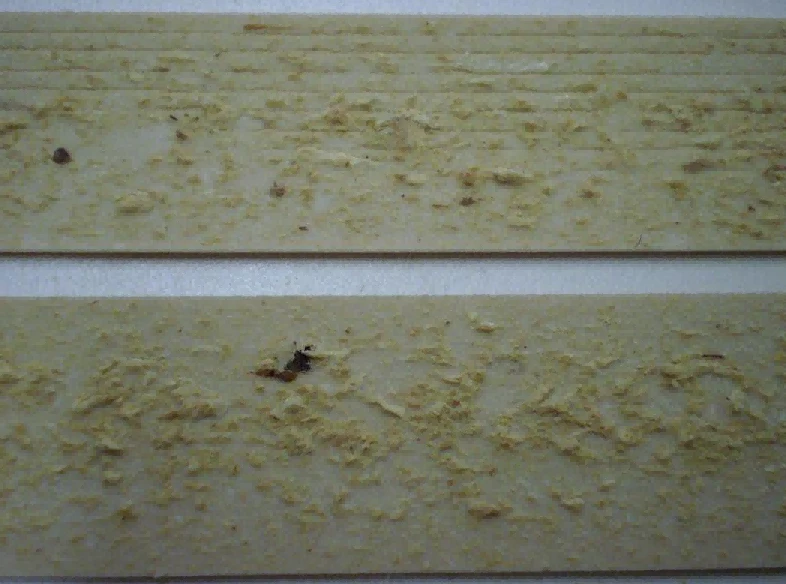
Common Causes
1. Too Much Glue Applied
Excessive adhesive application is one of the main reasons for glue overflow. When too much glue is applied, additional adhesive is squeezed out during the pressing process.
2. Glue Temperature Is Too High
When the adhesive becomes excessively fluid due to high temperatures, it may spread more easily around the bonding area.
3. Incorrect Pressure Roller Adjustment
If the pressure rollers apply excessive pressure, too much adhesive may be squeezed out from between the panel and edge banding tape.
4. Unsuitable Glue Viscosity
Different hot melt adhesives have different viscosity characteristics. Using an unsuitable adhesive may result in excessive glue spreading or poor bonding performance.
How to Solve Excessive Glue Overflow
Adjust the glue application amount to ensure an even adhesive layer.
Set the glue temperature according to the adhesive manufacturer's recommended range.
Check and properly adjust the pressure rollers.
Select suitable hot melt adhesive according to the edge banding material and processing requirements.
Regularly clean the glue application system to prevent accumulated adhesive from affecting the application process.
Professional Tip: The goal is not to use as much glue as possible, but to achieve a uniform adhesive layer that provides sufficient bonding strength without excessive residue.
3. Uneven Trimming: Why Are the Edges Rough or Uneven?
Uneven trimming is another common issue in edge banding operations. It usually occurs during the rough trimming or fine trimming process, leaving uneven edges, visible steps, scratches, or excessive material removal.
This problem can directly affect the final appearance and quality of furniture panels.
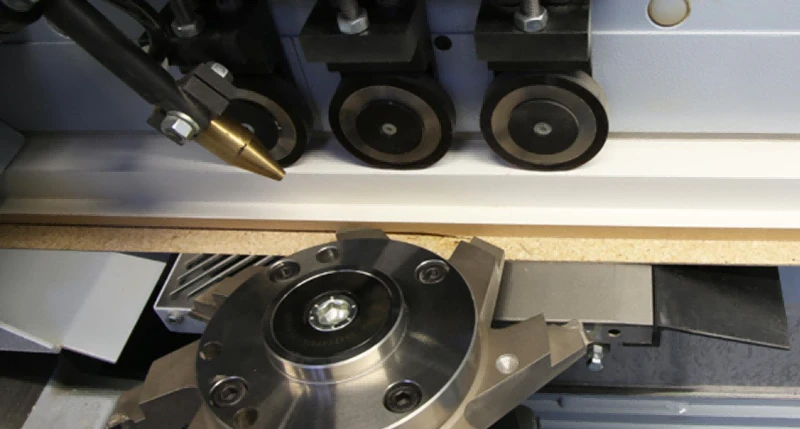
Common Causes
1. Blunt or Damaged Trimming Blades
After long-term operation, trimming cutters may become dull or damaged. This can result in rough cutting surfaces, burrs, and uneven edges.
2. Incorrect Cutter Position
If the trimming cutter is not properly aligned with the panel surface, it may remove too much or too little edge banding material.
3. Unstable Panel Feeding
If the panel moves unevenly or vibrates during processing, the trimming results may become inconsistent.
4. Incorrect Machine Adjustment
Improper settings for the trimming unit, guide rails, or pressure devices can affect the cutting accuracy.
How to Solve Uneven Trimming
Regularly inspect trimming blades and replace dull or damaged cutters.
Adjust the cutter position to ensure accurate trimming.
Check the panel feeding system and make sure the workpiece moves smoothly.
Inspect guide rails, pressure rollers, and mechanical components for looseness.
Adjust the trimming unit according to the thickness of the edge banding tape.
Professional Tip: Different edge banding materials and thicknesses require appropriate cutter settings. Always perform a test cut before starting large-scale production.
4. How to Prevent Common Edge Banding Machine Problems
Proper operation and regular maintenance can reduce machine downtime and improve production quality.
Here are five practical maintenance tips for edge banding machines:
1. Clean the Glue System Regularly
Remove accumulated adhesive from the glue pot, glue roller, and related components according to the equipment maintenance instructions.
2. Check Cutting Tools
Inspect trimming cutters regularly and replace worn tools to maintain clean and accurate cutting results.
3. Maintain a Stable Working Environment
Keep the workshop clean and maintain suitable temperature and humidity conditions. Environmental changes can affect adhesive performance.
4. Inspect Pressure Rollers and Feeding Components
Make sure all rollers rotate smoothly and apply consistent pressure to the panel.
5. Follow the Correct Operating Parameters
Use appropriate glue temperature, feeding speed, pressure, and cutter settings for different panel and edge banding materials.
5. How to Choose a Reliable Edge Banding Machine for Furniture Production
Choosing the right edge banding machine is just as important as proper operation and maintenance.
For furniture manufacturers, a reliable machine should provide:
Stable Glue Application: Ensures consistent adhesive distribution and strong bonding.
Accurate Trimming System: Delivers smooth and uniform edge finishing.
Reliable Feeding System: Keeps panels moving steadily during processing.
Easy Operation and Adjustment: Helps operators adjust settings for different panel thicknesses and edge banding materials.
Convenient Maintenance: Reduces maintenance time and improves long-term production efficiency.
A suitable automatic edge banding machine can help furniture factories improve production consistency, reduce manual labor, and achieve professional finishing quality.
Conclusion
Poor edge bonding, excessive glue overflow, and uneven trimming are three common problems in edge banding machine operation. Most of these issues can be solved by checking glue temperature, adhesive application, pressure roller settings, cutter condition, and panel feeding stability.
Regular maintenance and correct operating parameters are essential for achieving consistent edge banding quality.
If you are looking for a reliable edge banding machine for your furniture manufacturing business, SMARTECH provides professional woodworking machinery solutions to support efficient and stable production.
Contact SMARTECH today to learn more about our woodworking machines and find the right solution for your production needs.